Dec 18, 2018 | Colds and Flu, Ear Nose and Throat Health, Respiratory Health
Some people with asthma use a peak flow meter to help manage their asthma. However, peak flow measuring may not be for everyone — for example, it is often not suitable for young children. Your doctor will advise you if using a peak flow meter should be part of your...
Dec 18, 2018 | Ear Nose and Throat Health, Respiratory Health
Respiratory tract infections are very common in children. Occasionally these infections will develop into pneumonia (inflammation of the lungs). Symptoms If your child has pneumonia, the signs of the disease and the symptoms they experience will depend on their age,...
Dec 17, 2018 | Babies and Pregnancy, Immunity, Medicines
Paracetamol is a medicine that is commonly used in children and is available without a prescription. The main uses of paracetamol are for relief of pain and for reducing a fever. In Australia, some of the brands of paracetamol that have children’s formulations include...
Dec 17, 2018 | Eye Health
Too much sun can damage the eyes. As with skin damage, it is the ultraviolet (UV) radiation from the sun which causes problems. Damage to the eyes from UV radiation is cumulative, meaning it builds up over our lifetime and can have a permanent effect on our eyes and...
Dec 17, 2018 | Diet and Weightloss
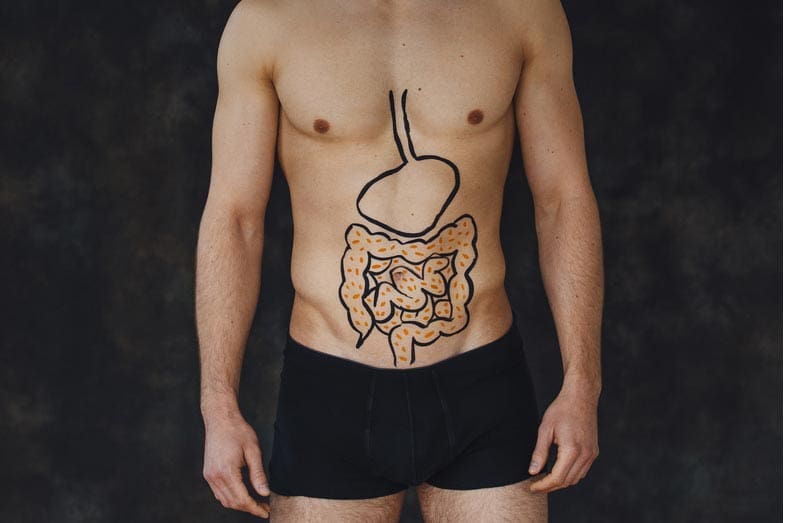
The more scientists understand about the gut microbiome, the more closely linked to our overall health it seems to be. Your microbiome, or more accurately ‘microbiota’, is the collection of bacteria and other microbes that live, usually harmoniously, in and on your...
Dec 16, 2018 | Diet and Weightloss, Immunity
Our gut bacteria play a crucial role in our health. Feed these microbes well and the digestive system will work at its peak capability. With 100 trillion bacterial cells in our gut, that is a lot of mouths to feed. Prebiotics feed bacteria Prebiotics are the foods...
Dec 14, 2018 | Diet and Weightloss, Healthy Eating, Seasonal Health
Holidays bring with them parties and gatherings, along with more opportunities than usual to drink alcohol with family and friends. These 10 tips will see you through the festive season with your health intact. The National Health and Medical Research...
Dec 13, 2018 | Exercise and Fitness, Sports Fitness
Most sciatica – sharp pain that radiates down the back of your leg – gets better within a few weeks and doesn’t result in permanent damage. If your pain doesn’t settle down after a few weeks, see your doctor. If you lose control of your...
Dec 13, 2018 | Pain, Sports Fitness, Symptoms
Your neck is a complex interlocking structure consisting of bones, joints, nerves, muscles, tendons and ligaments. Its main job is to hold up the weight of your head which, at around 5 kilograms, is no mean task. Add to this the requirement that the head must be able...