Nov 30, 2017 | Men's Health, Tests and Investigations, Women's Health
Screening for cervical cancer is very effective at reducing the number of women who develop or die from cervical cancer. In fact, since the National Cervical Cancer Screening Program began in 1991, cervical cancer death rates in Australia have halved. A new National...
Nov 30, 2017 | Women's Health
A prolapsed uterus is when the uterus (womb) moves downward from its normal position – this can happen when the tissues that normally support the uterus (the pelvic floor muscles and ligaments) become stretched and weak. Prolapsed uterus (also called uterine...
Nov 27, 2017 | Babies and Pregnancy, Heart Attacks and Strokes
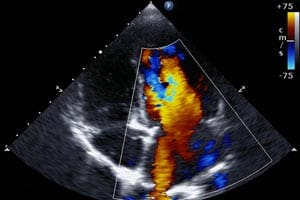
Congenital heart defects are problems with the structure of the heart that are present from birth. Congenital (which means ‘from birth’) heart defects develop in the first few weeks of pregnancy. In Australia, as many as one baby in 100 is born with a heart defect....
Nov 27, 2017 | Colds and Flu, Ear Nose and Throat Health, Heart Attacks and Strokes, Respiratory Health
What is pulmonary hypertension? Pulmonary hypertension is a condition where the blood pressure in the pulmonary arteries (the vessels that carry blood from the heart to the lungs) is higher than normal. This puts a strain on the right side of the heart, which has to...
Nov 16, 2017 | Colds and Flu, Ear Nose and Throat Health, Respiratory Health
A habit cough is a repetitive cough that occurs in the absence of any underlying disease. Habit cough (also called psychogenic cough, somatic cough syndrome or tic cough) most frequently affects school age children, usually those in later primary school or early high...
Nov 15, 2017 | Gastrointestinal Health
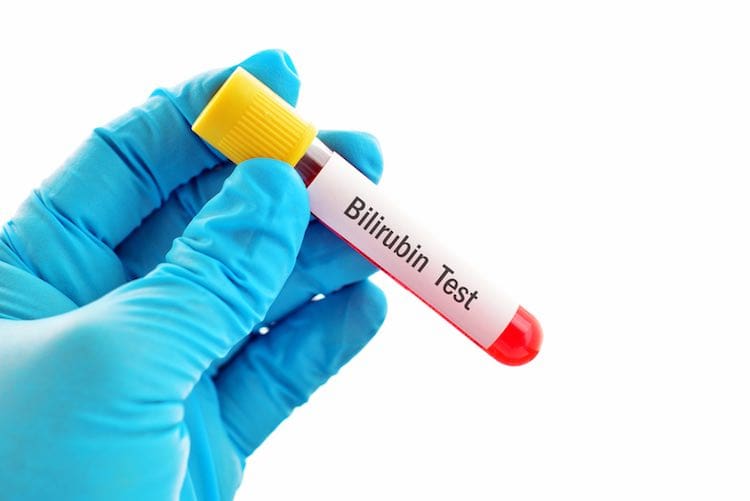
Gilbert syndrome is a harmless liver condition in which there is sometimes an excess of bilirubin in the blood. Bilirubin is a yellow-brown coloured pigment that comes from the breakdown of red blood cells. If the levels of bilirubin are high enough, it can cause...
Nov 6, 2017 | Heart Attacks and Strokes
Cardiomyopathy is the term used to describe a range of diseases of the heart muscle. Cardiomyopathy can affect people of all ages, including children. In some people, damage to the heart muscle due to cardiomyopathy can weaken the heart and lead to heart failure and...
Nov 3, 2017 | Tests and Investigations
Lung function tests, also called pulmonary function tests or breathing tests, are tests that can be done to find out how well your lungs and airways are working. Lung function tests can help in the diagnosis of respiratory (breathing) conditions, work out how severe a...
Oct 19, 2017 | Mental Health
What is psychosis? Psychosis is a mental disorder where a person loses the capacity to tell what’s real from what isn’t. They may believe or sense things that aren’t real, and become confused or slow in their thinking. Psychosis often occurs as a part of other mental...
Oct 18, 2017 | Breast Cancer, Cancer Care, Women's Health
Women’s breasts are made up of fat, nipple, glands (alveoli) and a network of ducts through which milk can pass from the glands to the nipples. Each breast contains between 15 and 20 sections called lobes, each of which is composed of many smaller structures known as...