Eating a nutritious and varied diet in pregnancy is the best way of caring for yourself and your baby.


Eating a nutritious and varied diet in pregnancy is the best way of caring for yourself and your baby.

Some pregnant women will need to take special care and should discuss with their doctor how they plan to exercise.
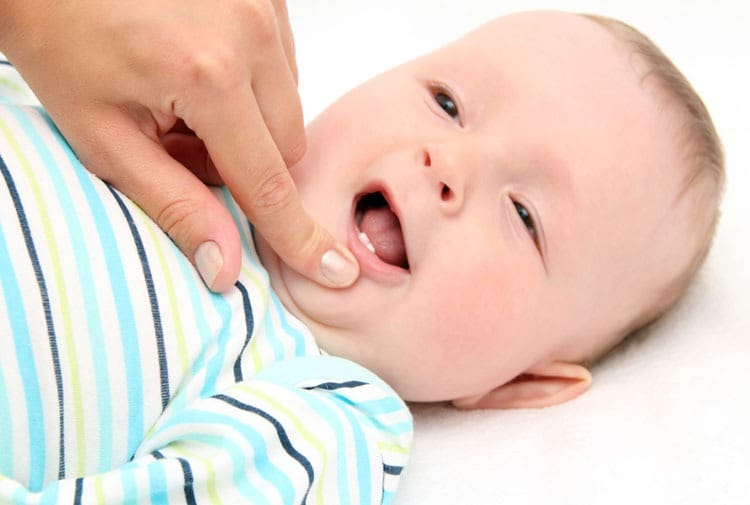
Babies usually get their first tooth between 4 and 10 months of age. Signs of teething often occur a while before the first teeth appear.
Babies are considered of low birth weight if they weigh less than 2500 g at birth. Low birth weight is associated with an increased risk of disabilities.
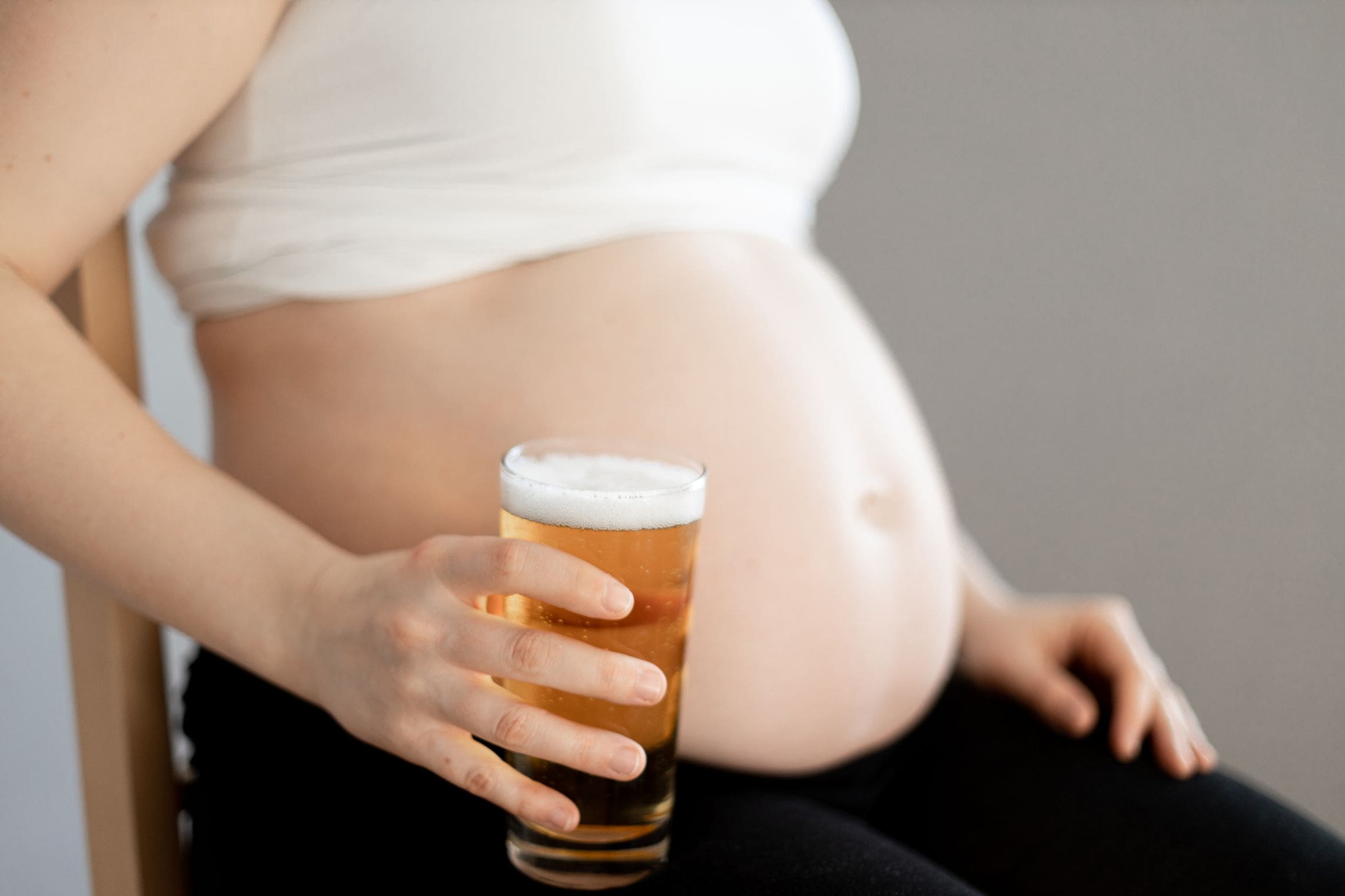
Drinking alcohol while pregnant or breast feeding can harm your baby. Find out about the features of fetal alcohol spectrum disorder and how to prevent it.
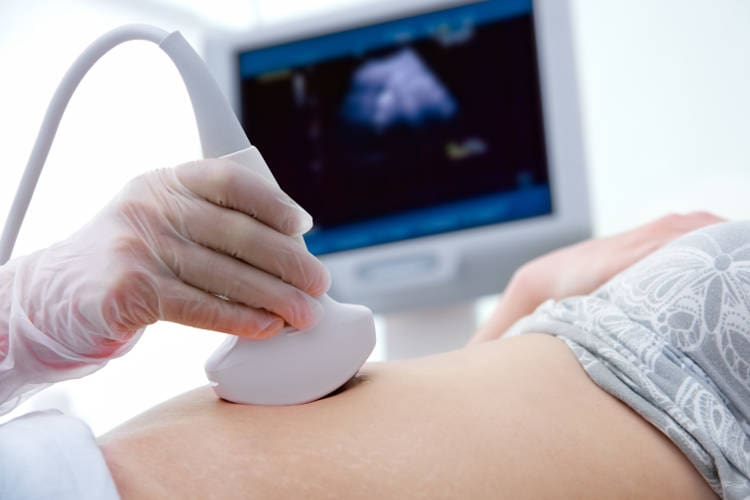
Amniocentesis is a test that can be done in pregnancy. It is possible to tell from the test whether the fetus has certain birth defects.

A congenital diaphragmatic hernia is a birth defect where there is an abnormal hole in the diaphragm, which allows some of the abdominal organs to protrude into the chest.
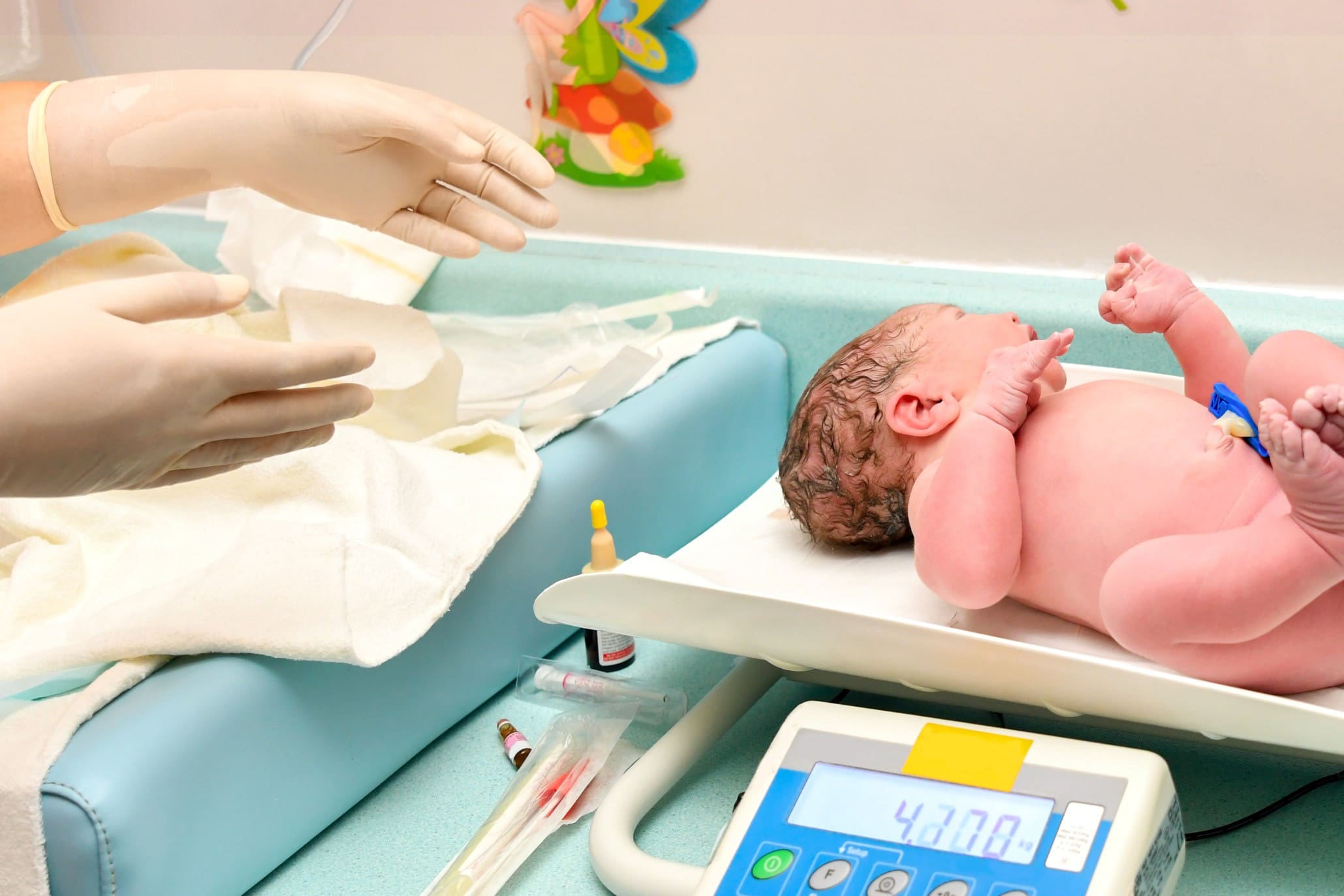
Find out about the Apgar newborn scoring system, the standardised technique that doctors use to determine the health of a baby within 5 minutes of its birth.
The correct dose of paracetamol for a child depends on their weight. Find out about using paracetamol in kids.
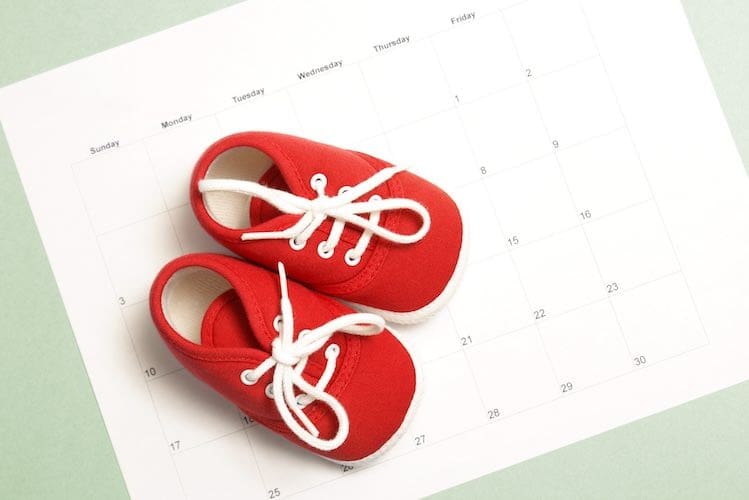
Just found out you're pregnant? Find out how to calculate when your baby is due.
