May 27, 2016 | Babies and Pregnancy
Sudden infant death syndrome (also known as SIDS or ‘cot death’) is the sudden and expected death of a baby younger than 12 months of age, which usually happens during sleep, and cannot be explained even after a thorough investigation. SIDS is a tragic event and is...
May 25, 2016 | Gastrointestinal Health
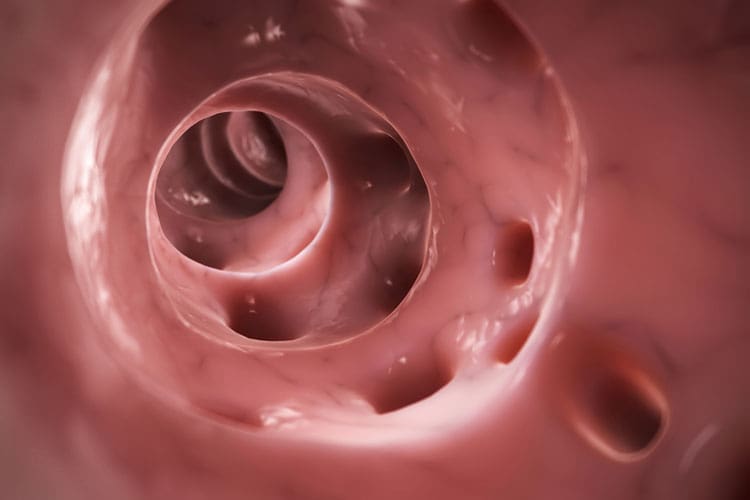
Diverticular disease is a condition in which small pockets or out-pouchings called diverticula occur in the wall of the bowel. Diverticula can remain trouble-free or they can become inflamed or infected and cause symptoms, which is known as diverticulitis....
May 20, 2016 | Women's Health
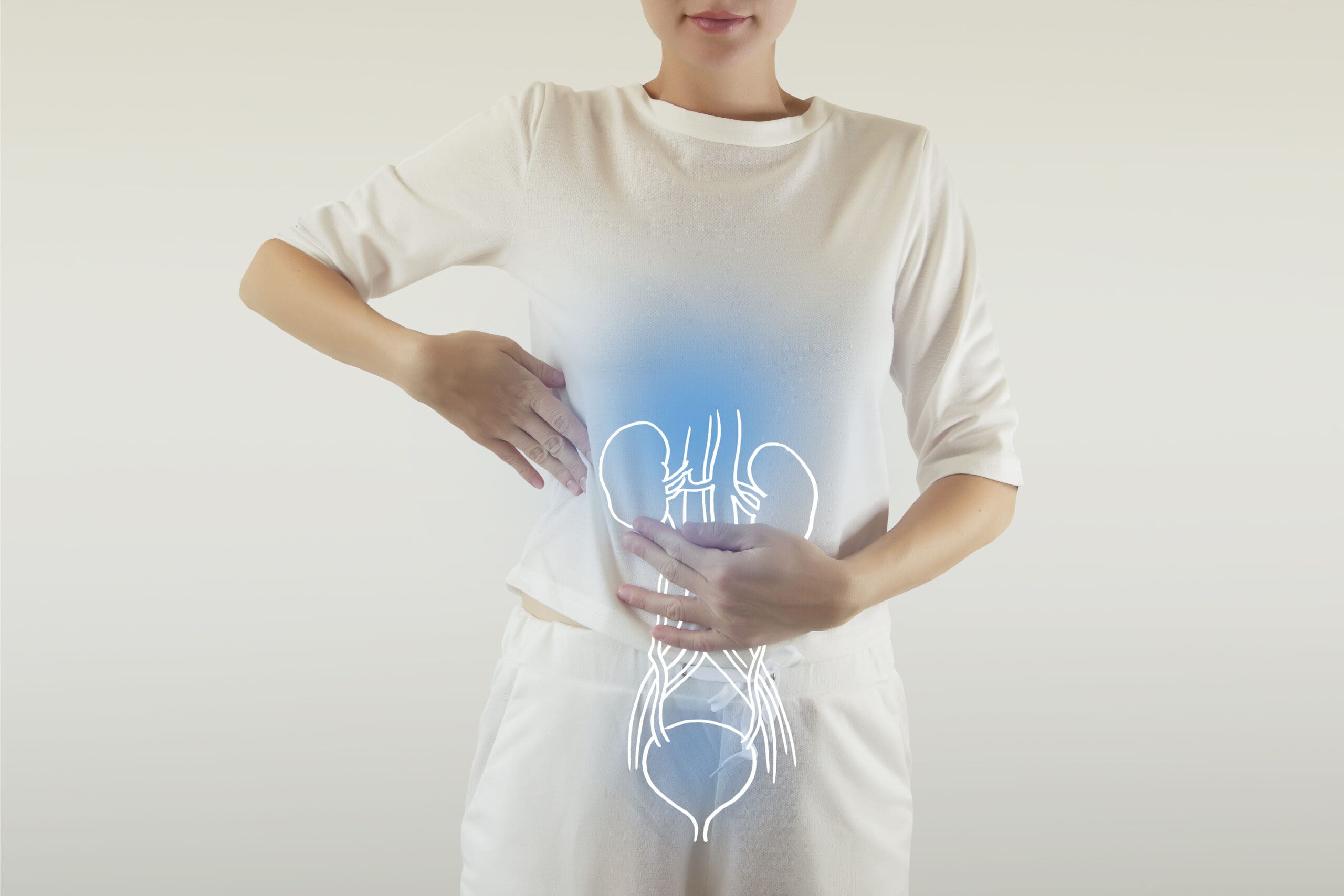
Urinary tract infection (UTI) is a very common infection that affects part of the urinary system. The urinary system consists of the kidneys, bladder, ureters (tubes that connect the kidneys to the bladder) and the urethra (tube connecting the bladder to the outside...
May 20, 2016 | Arthritis, Seniors Health
Paget’s disease is a treatable condition that affects the bones, mainly in older people. Affected bones become enlarged, misshapen and weaker than normal. They may also be painful. Any bone in the body can develop Paget’s disease, but it particularly affects the...
May 18, 2016 | Dementia, Mental Health, Mythbusters, Seniors Health
People with the early signs of cognitive impairment are putting off seeing their GP for fear of being diagnosed with dementia, a UK survey shows. The poll of 1,000 GPs by the Alzheimer’s Society found that more than half (56%) of them had diagnosed patients who had...
May 12, 2016 | Gastrointestinal Health
Coeliac disease is a condition caused by an abnormal immune response, or sensitivity, to a dietary protein known as gluten. Gluten is found in wheat, rye and barley. In people with coeliac disease, sensitivity to gluten causes inflammation and damage to the small...
May 10, 2016 | Allergy, Dermatology
Many patients with chronic urticaria spend years in misery trying to find the cause of their hives, but the long-term approach should be for alleviation of their symptoms, according to a leading dermatologist. University of Melbourne dermatologist Professor Rod...
May 9, 2016 | Addictions, Drug and Alcohol, Recreational Drugs
A 26-year-old man who smoked a gram of cannabis a day has become the first Australian to be diagnosed with Cannabis Arteritis, a rare blood vessel condition that can lead to amputation. The man’s surgeons report that he first presented with ischaemia (a...
May 6, 2016 | Tests and Investigations
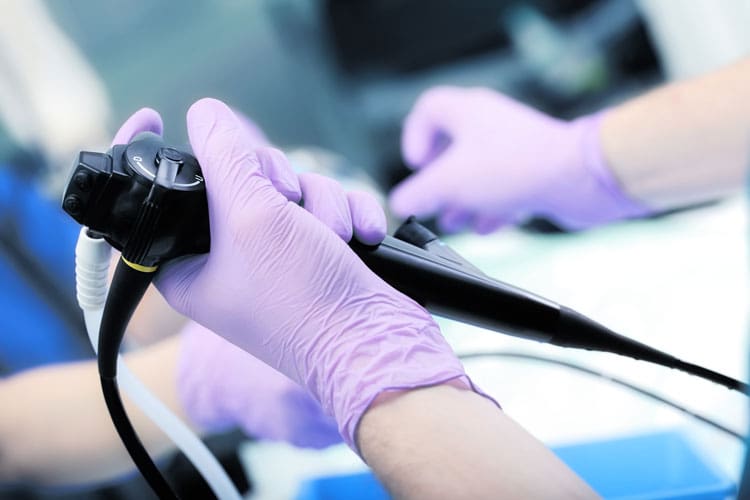
Endoscopy is a medical procedure in which a doctor uses a long, thin, flexible tube to look inside parts of the body. The tube, known as an endoscope, has a light and camera at one end so the doctor can inspect the area and check for any signs of disease. In some...