Learn about the different types of intrauterine devices (IUD), their effectiveness as contraception, how they’re inserted and possible side effects
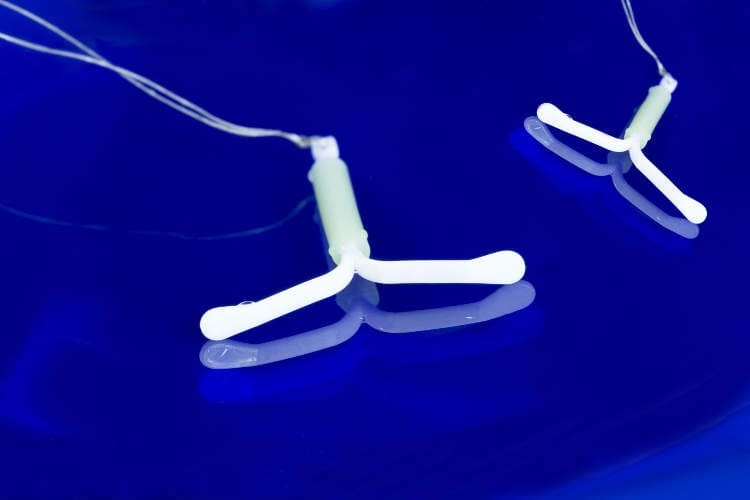

Learn about the different types of intrauterine devices (IUD), their effectiveness as contraception, how they’re inserted and possible side effects

A hormone implant (Implanon NXT) is a small contraceptive device used to prevent pregnancy. It is inserted beneath the skin and provides reliable contraception for up to 3 years.
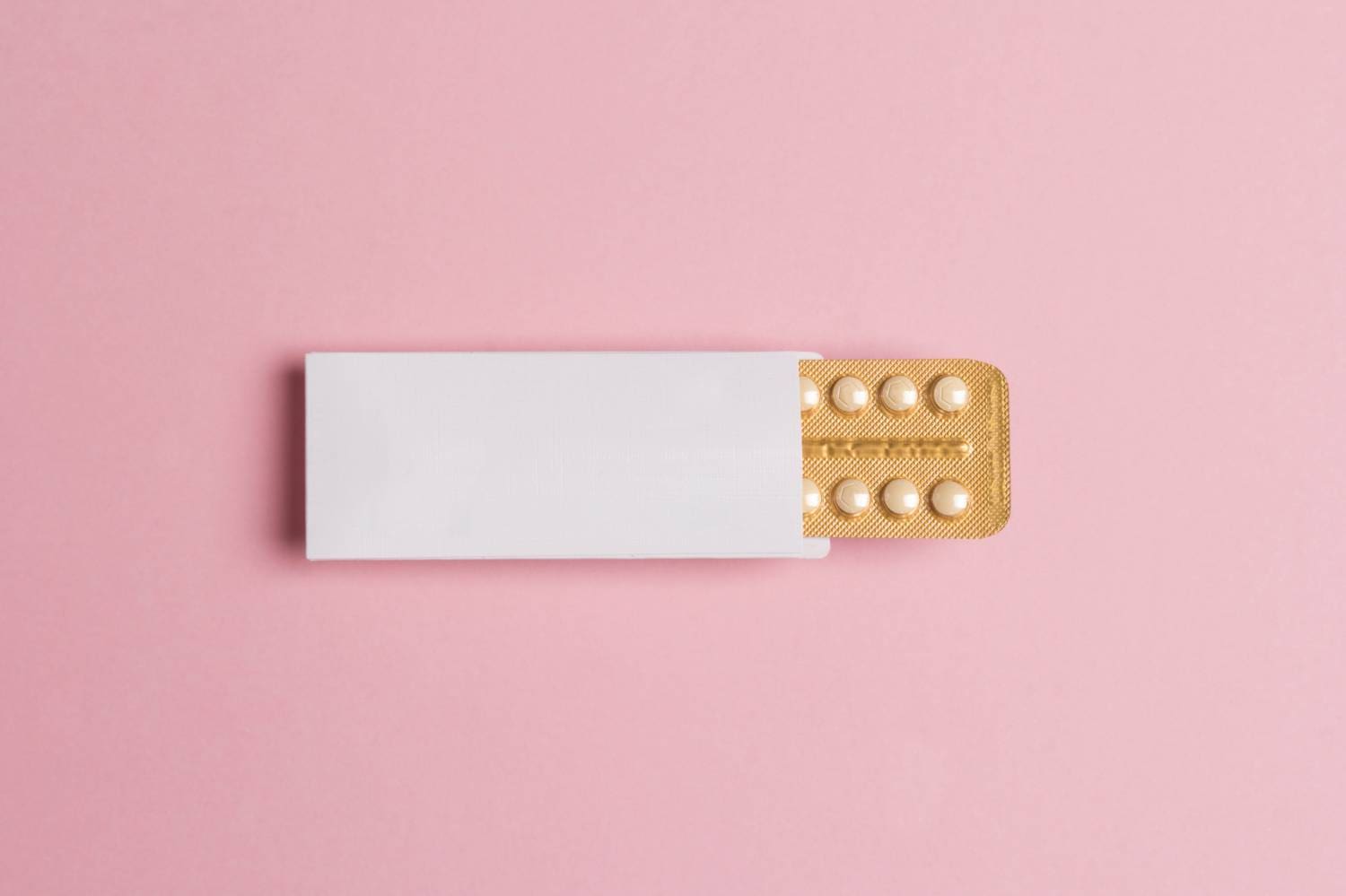
The mini pill or progestogen-only pill is a type of contraception that you take as tablets. It contains a low dose of the synthetic hormone progestogen.
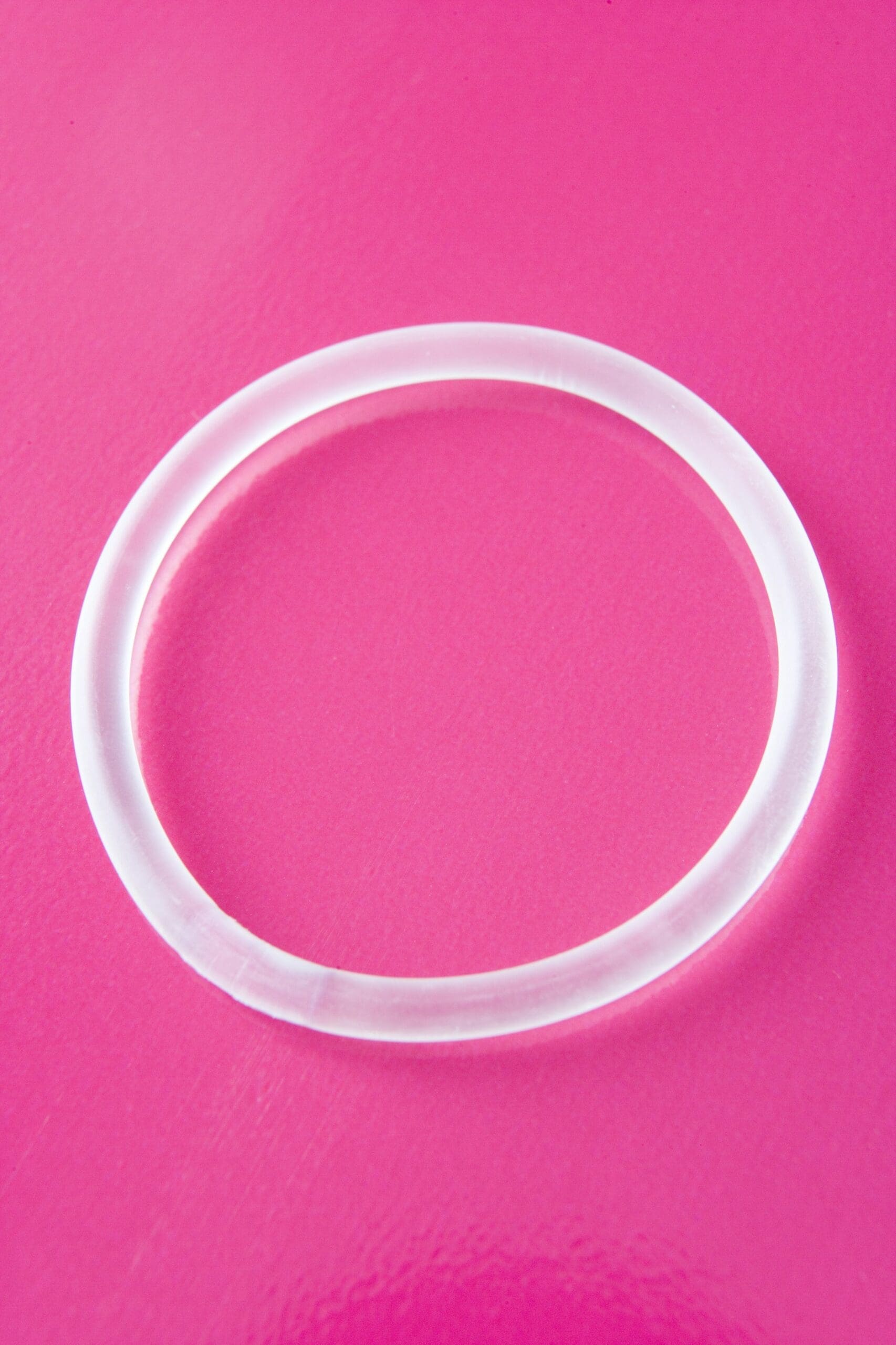
The vaginal ring (brand name NuvaRing) is a type of hormonal contraception. When used properly, the vaginal ring is an effective and safe way of preventing pregnancy.
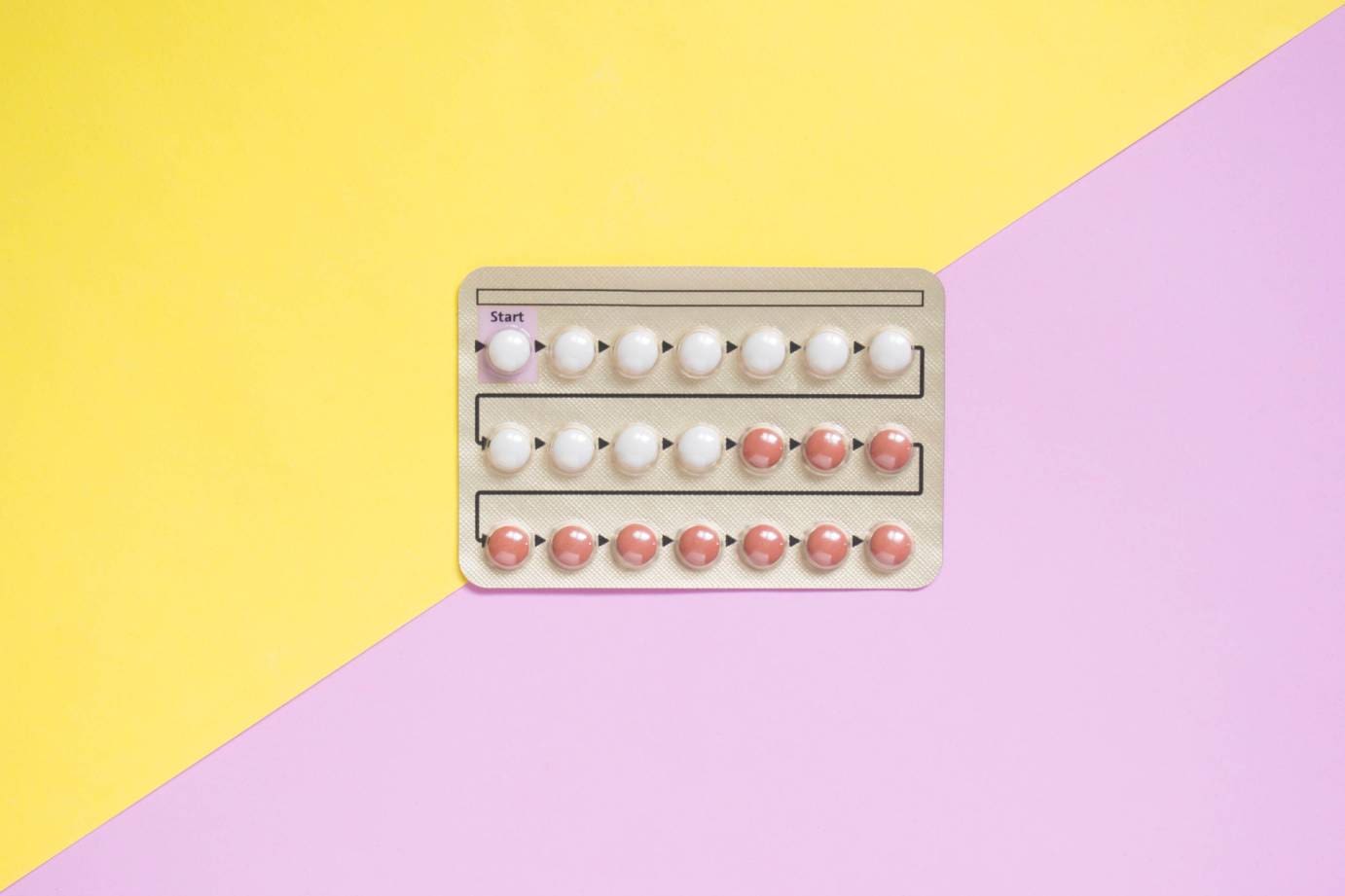
The combined oral contraceptive pill (also known as 'the pill') is a form of hormonal contraception that when used properly is a very effective and safe way to prevent pregnancy.

Whether you are thinking about having a baby for the first time or have been pregnant before, with a little planning you can give yourself the best chance of a healthy pregnancy and baby.
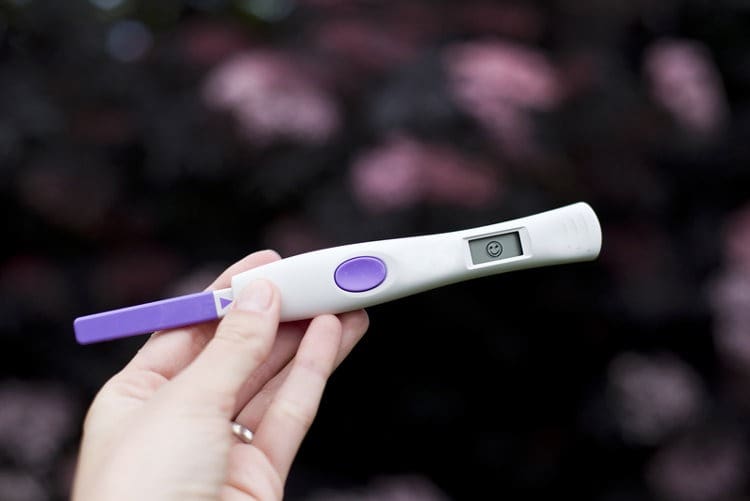
If you are trying to get pregnant, ovulation testing can help you work out when you are likely to ovulate and find your most fertile days. There are also natural ways of predicting the best time to conceive.

Getting pregnant is easy for some women, but for others it can be a difficult. Women are most fertile between 20 and 24 years of age, after which fertility declines.

Folate is used within the body for cell regeneration and growth. Pregnant women need about one and half times as much as other adults.

Congenital heart defects are problems with the structure of the heart that are present from birth. The defects develop during pregnancy. In Australia, as many as one baby in 100 is born with a heart defect.
