
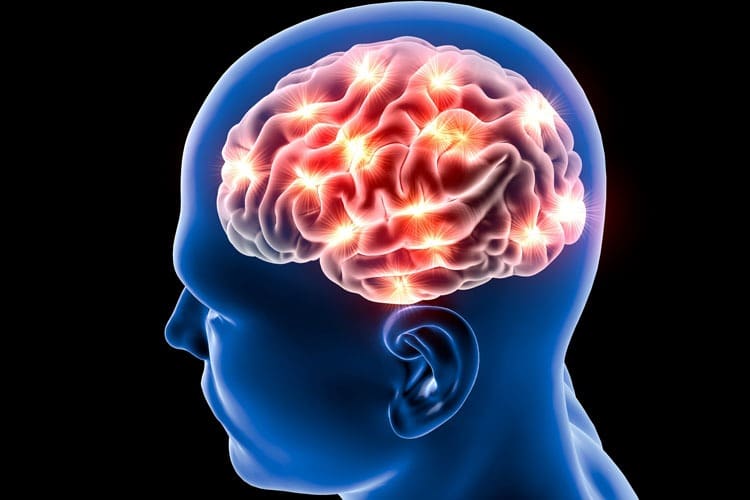
A stroke occurs when a part of the brain is damaged because it is deprived of its blood supply. Blood carries oxygen and nutrients to the brain, so when the blood supply is cut off or limited, brain cells start to die. A stroke is also known as a cerebrovascular accident, CVA, cerebral vascular accident or brain attack.
Stroke is a serious condition. It is one of the leading causes of death in Australia and is the main cause of long-term disability in adults in Australia. However, there have been recent advances in treatments for stroke and in stroke prevention.
If you think that you or someone else is having a stroke, dial 000 for an ambulance immediately. Even if symptoms seem to be improving, still call an ambulance. The sooner a stroke is treated in hospital, the better the chance of recovery. Time delays can increase damage to the brain.
Once you have called an ambulance, you can help by giving first aid for stroke.
What are the symptoms of a stroke?
The symptoms of a stroke usually appear suddenly. Initially the person may feel sick and look pale and unwell. They may complain of a sudden headache or dizziness.
They may also:
- have sudden numbness, weakness or paralysis in their face or limbs, particularly down one side of their body;
- appear confused, having problems with concentration or memory;
- have trouble talking or understanding what is being said to them;
- have difficulty swallowing;
- have vision problems;
- have trouble walking;
- unsteadiness or a sudden fall; or
- have difficulty with co-ordinating their movements and keeping their balance.
Sometimes a seizure (fit) or loss of consciousness occurs. Symptoms depend on the part of the brain that is affected and the size of the stroke.
The Stroke Foundation in Australia recommends the F.A.S.T. test to check for signs and symptoms that may be caused by stroke.
- Face: is one side of the face drooping? Can the person smile?
- Arms: can the person lift both arms above their head? Can they keep both arms up or does one arm drift down?
- Speech: can the person understand you and speak clearly, or is their speech slurred?
- Time: if you notice any of the above signs, call 000 for an ambulance immediately.
What happens to the brain during a stroke?
There are 2 main types of strokes: ischaemic stroke and haemorrhagic stroke.
Ischaemic stroke
Ischaemic stroke is the most common type of stroke and is caused by a blockage of the blood vessels supplying the brain. There are 2 types of ischaemic stroke:
- A thrombotic stroke is caused by a blood clot (thrombus) forming in one of the arteries of the head or neck, which severely reduces the blood flow. The thrombus may be a result of a build-up of fatty deposits (plaques) in the blood vessels.
- An embolic stroke (or cerebral embolism) is caused when a blood clot that forms elsewhere in the body (for example, the chambers of the heart) travels through the circulatory system to the brain. The travelling clot is called an embolus.
Haemorrhagic stroke
A haemorrhagic stroke occurs when a blood vessel in or near the brain bursts, damaging an area of the brain.
There are 2 types:
- subarachnoid haemorrhage, which occurs in the space around the brain; and
- intracerebral haemorrhage, the more common type, which involves bleeding within the brain tissue itself.
Haemorrhagic strokes can be caused by problems such as high blood pressure, or by a problem with a blood vessel in or on the surface of the brain, such as an aneurysm or arteriovenous (AV) malformation.
Damage to brain cells from a haemorrhagic stroke can be due to:
- the blood from the burst vessel damaging brain cells;
- inadequate blood supply to areas of the brain, especially beyond the leaking vessel; and
- pressure and swelling within the brain due to irritation from the leaked blood.
Are there any warning signs of stroke?
Ischaemic strokes are sometimes preceded by transient ischaemic attacks (TIAs), also called mini-strokes or temporary strokes. TIAs occur when there is a temporary blood clot and part of the brain does not get the supply of blood it needs.
Symptoms (which are similar to those of a stroke) occur rapidly and usually last a short time, from a few minutes to a couple of hours. Like a stroke, the symptoms will vary depending on which part of the brain is affected.
It is important that you see your doctor immediately if you experience symptoms of a stroke or TIA. Your doctor will determine whether a stroke, a mini-stroke or another medical condition with similar symptoms has occurred, such as a seizure or migraine. Mini-strokes should not be ignored, because people who have had one are much more likely to have a stroke than people of the same age and sex who have not had a mini-stroke.
Risk factors for stroke
The older you get, the greater the risk of having a stroke, however, a significant number of young and middle-aged people also have strokes.
Men are also more likely to have a stroke than women. People who have had a previous stroke or TIA are also more likely to have another one, as are people with a family history of stroke or other types of cardiovascular disease (such as angina or heart attack).
Risk factors for ischaemic stroke include:
- high blood pressure;
- a type of irregular heartbeat known as atrial fibrillation (AF);
- cigarette smoking;
- excessive alcohol intake;
- being overweight or obese;
- diabetes;
- high cholesterol; and
- poor diet and inadequate physical activity.
Stroke is a disease of blood vessels (vascular disease), and so shares many risk factors with coronary vascular disease (also known as coronary artery disease – disease affecting the heart’s blood vessels).
Risk factors for haemorrhagic stroke include:
- high blood pressure;
- smoking;
- taking anticoagulant medicines;
- having a bleeding disorder (such as thrombocytopenia or haemophilia); and
- a previous brain/head injury.
High blood pressure: an important risk factor
High blood pressure is the most important risk factor for stroke – both haemorrhagic and ischaemic.
Treating high blood pressure can significantly reduce the risk of stroke.
How is a stroke diagnosed?
Confirmation of diagnosis and initial treatment of strokes almost always takes place in a hospital.
An early diagnosis is made by evaluating symptoms, reviewing your medical history, performing a physical examination and conducting tests.
Tests
Imaging tests of the brain are usually recommended to:
- confirm the diagnosis of stroke;
- determine whether it is an ischaemic or haemorrhagic stroke; and
- assess the extent of the damage to the brain.
Imaging tests of the brain include:
- a computerised tomography (CT) scan: a special X-ray which produces 2- or 3-dimensional images; or
- a magnetic resonance imaging (MRI) scan (this test uses a large magnet, low-energy radio waves and a computer to produce 2- or 3-dimensional images).
An ultrasound scan of the neck may also be performed to determine whether the stroke was caused by a blocked carotid artery in the neck.
Other tests that may be recommended include blood tests and an electrocardiogram (ECG).
Sometimes a lumbar puncture (where a doctor takes a sample of cerebrospinal fluid – the fluid that surrounds your brain and spinal cord) may be recommended to help diagnose a haemorrhagic stroke caused by a subarachnoid haemorrhage. Lumbar punctures involve inserting a small needle into the back, usually under local anaesthetic.
How do you treat a stroke?
If a stroke has occurred, treatment should begin as soon as the stroke is diagnosed to ensure that no further damage to the brain occurs.
Immediate treatment of an ischaemic stroke
If the cause of the stroke was a clot, clot-dissolving medicines are sometimes given. However, this is not a suitable treatment for all strokes, and there are significant side effects that need to be considered, so there are strict guidelines determining the circumstances in which it should be used.
Treatment with the clot-dissolving medicine alteplase can improve outcomes when given within 4.5 hours of the onset of symptoms. In most cases, the sooner after the onset of symptoms treatment is given, the better the outcome.
In some specialised centres, certain procedures known as neurointerventional therapy may be offered to treat some people with ischaemic stroke. In these treatments, a catheter may be inserted into a blood vessel in the groin and threaded through the body to reach the blocked artery that has caused the stroke. The catheter may be used to remove or dissolve the blood clot. Again, early treatment is important – this treatment needs to be done within several hours of the onset of symptoms.
In cases of ischaemic stroke, it is common to give aspirin to reduce the size of the stroke and to reduce the risk of a second stroke. Aspirin should be withheld for 24 hours if alteplase has been given. Once started it is usually taken daily.
Treatment to prevent a second ischaemic stroke
It’s important to reduce your risk of having another stroke by making lifestyle changes (see below) and taking medicines. Sometimes surgery is recommended.
Depending on the type and cause of your stroke, antiplatelet medicines or anticoagulants (‘blood thinners’) are usually prescribed to help prevent new blood clots from forming, in order to prevent a future stroke.
Antiplatelet medicines include:
- aspirin;
- aspirin plus dipyridamole (brand name Asasantin); and
- clopidogrel (e.g. Iscover, Piax, Plavix).
People with atrial fibrillation (or other heart conditions where a stroke was caused by a blood clot travelling from the heart) may be prescribed an anticoagulant medicine such as:
- warfarin (Coumadin or Marevan); or
- a novel oral anticoagulant medicine, such as dabigatran (Pradaxa), rivaroxaban (Xarelto) or apixaban (Eliquis).
Bleeding is an important side effect of anticoagulants, so the risk of bleeding needs to be considered before starting these medicines.
Your doctor will discuss the risks and benefits of these medicines with you, taking into account your condition and personal risk factors. The choice of anticoagulant medicine will depend on these factors.
Medicines to treat high blood pressure and high cholesterol may also be recommended.
Where there is a blockage in a neck artery, surgery may be performed to remove the build-up of plaque in order to prevent a future stroke. This operation is called a carotid endarterectomy.
Treatment of haemorrhagic stroke
Treatment of haemorrhagic strokes depends on the cause. Brain surgery or other less invasive procedures may be recommended for some people.
If you have been taking anticoagulant medicines, your doctor will stop these and possibly also give medicines to reverse their effects to try to stop the bleeding in your brain. Your blood pressure may also need to be urgently controlled with medicines.
In people who have had a haemorrhagic stroke because of an intracerebral haemorrhage, ongoing treatment of high blood pressure can help reduce the risk of another stroke.
Rehabilitation following a stroke
Once a stroke has permanently damaged the brain, the damage can’t be completely undone. However, many symptoms can improve considerably following a stroke, because the areas of brain on the periphery of the stroke can recover. Recovery is an ongoing process.
Successful rehabilitation following a stroke depends on many factors, including the extent of brain damage, how quickly stroke rehabilitation starts, your attitude and the support of family and friends.
As a result of advances in treatment and rehabilitation, many people who have had a stroke are able to live full lives. For some, recovery takes only a few weeks while for others it may take months or even years.
Strokes affect people in different ways depending on the type of stroke and area of the brain affected. Often old skills have been lost, so new ones will need to be learned. It is also important to maintain and improve physical condition whenever possible. Rehabilitation should begin as soon after a stroke as possible and should continue after discharge from hospital.
Rehabilitation involves co-ordinated care from many healthcare professionals, such as doctors, nurses, social workers and counsellors. Rehabilitation may consist of various types of therapy including:
- physiotherapy to improve muscle control, co-ordination and balance;
- speech therapy to retrain facial muscles and language, and help with feeding and swallowing disorders; and
- occupational therapy to improve hand–eye co-ordination and skills needed for daily living tasks, such as bathing and cooking.
Family is also important in the rehabilitation process. Family members will probably be asked to help the person regain lost skills by encouraging them to use the affected arm or leg, helping them with their speech or teaching them how to do tasks which may have been forgotten, such as combing their hair or using a cup, knife and fork.
Depression and anxiety are common in people who have had a stroke. It’s important that these problems are diagnosed and treated early, as treatment of psychological problems can help functional recovery from stroke.
Many people who have had a stroke often feel tired. Fatigue is a common symptom and a normal part of recovery and it usually improves after several months.
How can I reduce my risk of a stroke?
There are some risk factors, such as age, gender, and family history, that can’t be changed. However, there are some risk factors that can be addressed with lifestyle changes and/or medicines to help prevent stroke.
Treating risk factors
- Visit your doctor regularly for blood pressure checks and appropriate medication.
- Have your cholesterol checked – your doctor may recommend lifestyle changes or medicines to lower your cholesterol.
- Control your diabetes, if you have it.
Lifestyle changes that can help reduce your risk of stroke include:
- stopping smoking;
- eating a healthy diet (a diet that is high in vegetables and fruit, and low in salt and saturated and trans fats is recommended);
- losing weight if you are overweight;
- reducing alcohol intake (limit alcohol to no more than 2 standard drinks per day); and
- getting enough physical activity (at least 30 minutes on most days of the week).
Your doctor will talk to you about how to achieve these goals and where to start.
Support groups
Support groups can be very helpful for both people who have had a stroke, and for carers of people who have had a stroke. Talking to others with similar experiences can help you feel less isolated, and you can also share tips and advice on managing after a stroke.
