
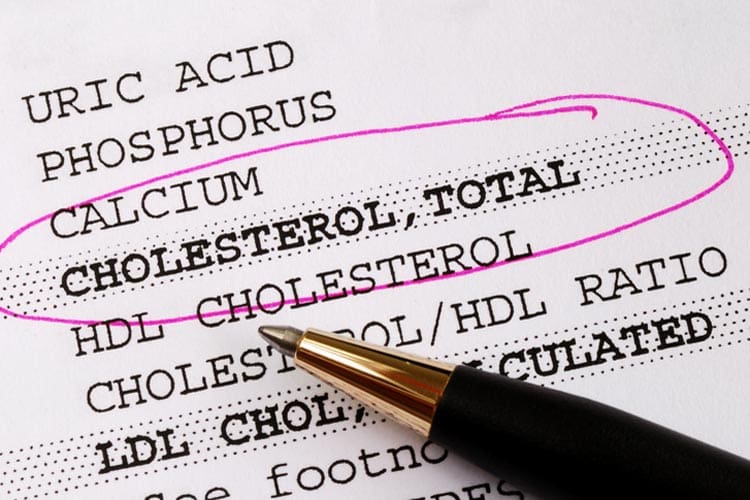
Cholesterol is a type of fat found in the blood. While it’s essential for life, too much cholesterol is recognised as a risk factor for cardiovascular disease, such as heart attack and stroke.
Types of cholesterol
Although knowing your total cholesterol level is important, it’s also vital to measure the levels of the different kinds of cholesterol. A simple blood test can determine your levels of:
- total cholesterol;
- high-density lipoprotein (HDL), the ‘good’ cholesterol;
- low-density lipoprotein (LDL), the ‘bad’ cholesterol;
- triglycerides – another type of fat found in the bloodstream.
High levels of HDL (‘good’) cholesterol may help to reduce your risk of coronary heart disease, while high LDL (‘bad’) cholesterol levels place you at greater risk of cardiovascular disease.
All of these measurements can help your doctor work out whether you need lifestyle changes or treatment to modify your cholesterol levels.
Factors affecting your cholesterol levels
Your cholesterol levels depend on a number of factors including:
- your genetic make-up;
- your weight;
- your level of physical activity; and
- the types of food that you eat.
What are acceptable cholesterol levels?
Your doctor will use your cholesterol test results, combined with other risk factors you may have for cardiovascular disease to determine whether you need to lower your cholesterol.
Cholesterol treatment targets
If you are at increased risk of cardiovascular disease, your doctor may suggest lifestyle measures and/or treatment to lower your cholesterol levels.
Examples of risk factors for cardiovascular disease are:
- having diabetes;
- having kidney disease;
- having familial hypercholesterolaemia – a genetic condition that raises cholesterol.
- having high blood pressure; and
- having had a heart attack or stroke.
For people who need treatment for their cholesterol, Australian guidelines set target levels to aim for (see following).
LDL-cholesterol
Australian guidelines state that people who need to be treated for high cholesterol should aim for LDL (‘bad’) cholesterol levels lower than 2.0 mmol/L. However, people who are considered at high risk, such as those who have had a heart attack, should aim for LDL less than 1.8 mmol/L.
HDL-cholesterol
In general, people who need to be treated for high cholesterol should aim for HDL-cholesterol (‘good’ cholesterol) levels of 1.0 mmol/L or more. HDL-cholesterol is protective against cardiovascular disease, such as heart attacks, so a higher level is good. HDL-cholesterol cleans up ‘bad’ cholesterol (LDL-cholesterol) from the walls of the arteries and takes it to the liver for processing.
Triglycerides
Triglycerides contribute to the development of atherosclerosis – hardening and narrowing of the arteries. Generally, Australians who are being treated for cholesterol should aim for triglyceride levels of less than 2.0 mmol/L.
